
9 Warning Signs of Diabetes You Should Never Ignore: Early Detection Can Save Your Life
Diabetes is one of the most common chronic diseases worldwide, affecting millions of people every year. What makes this condition particularly dangerous is that it often develops silently, with symptoms that can be easily overlooked or mistaken for everyday fatigue. By the time many people realize something is wrong, the disease may have already progressed to a more serious stage.
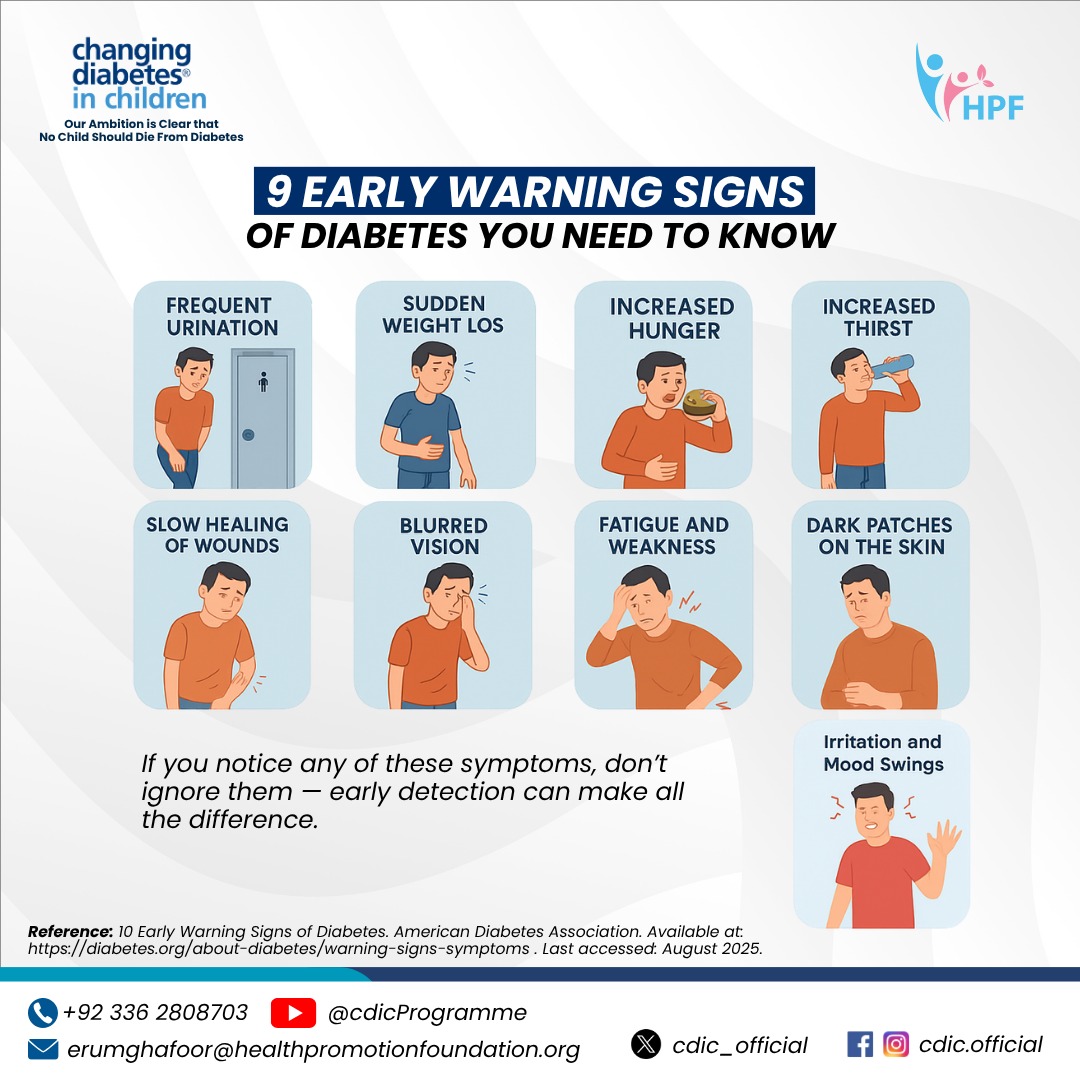
Understanding the early warning signs of diabetes is crucial. Detecting the condition early can help prevent severe complications such as heart disease, kidney failure, nerve damage, and even blindness. In this article, we will explore nine key warning signs of diabetes that you should never ignore, along with insights into why early detection is essential for maintaining long-term health.
Why Recognizing Early Signs of Diabetes Matters
Unlike acute illnesses that appear suddenly, diabetes often develops gradually over time. Many individuals live with high blood sugar levels for years without being diagnosed. During this time, excess glucose in the bloodstream can damage blood vessels, organs, and nerves.
Early detection allows individuals to take control of their health before complications arise. With proper lifestyle changes, medical treatment, and regular monitoring, it is possible to manage diabetes effectively and maintain a high quality of life. Ignoring early symptoms, on the other hand, can lead to irreversible damage and life-threatening conditions.
The Classic Symptoms of Diabetes
There is a well-known group of symptoms often referred to as the “classic triad” of diabetes. These include excessive thirst, frequent urination, and increased hunger accompanied by unexplained weight loss.
Excessive Thirst (Polydipsia)
One of the earliest signs of diabetes is an unusual and persistent feeling of thirst. Even after drinking plenty of water, individuals may still feel dehydrated. This occurs because the body tries to flush out excess sugar through urine, leading to fluid loss.
Frequent Urination (Polyuria)
As blood sugar levels rise, the kidneys work harder to remove the excess glucose. This results in increased urine production, often exceeding normal levels. Many people find themselves waking up multiple times at night to urinate, which can disrupt sleep and daily routines.
Increased Hunger with Weight Loss (Polyphagia)
Despite eating more than usual, individuals with diabetes may experience unexplained weight loss. This happens because the body cannot effectively use glucose for energy, forcing it to break down fat and muscle instead.


Bài viết liên quan

Crypto Tax Policy in the United States: How Capital Gains Tax Is Slowing Digital Innovation

Drug Pricing Reform Without Price Controls: Why Innovation Matters More Than Imported Policies