
Businesses to Self-Print Electronic Stamps for Alcohol and Tobacco from 2027: A Transformational Policy Shift in Vietnam
Introduction: A Turning Point in Market Regulation
Vietnam is entering a new phase of regulatory modernization as the Bộ Tài chính proposes allowing businesses, organizations, and individuals to self-print electronic stamps for alcohol and tobacco products starting in 2027. This policy marks a fundamental shift in how the government manages high-risk, high-tax industries, moving away from centralized control toward a more decentralized, technology-driven system.
For years, the responsibility for printing and issuing stamps has rested with state authorities such as the Cục Hải quan and the Cục Thuế. While this system ensured strict oversight, it often created administrative bottlenecks, limited flexibility, and slowed down business operations. The new proposal aims to address these challenges by empowering businesses while maintaining regulatory transparency through digital systems.
Understanding Electronic Stamps in the Modern Economy
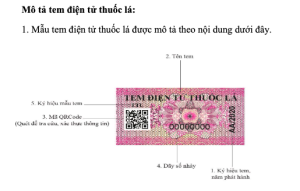
Electronic stamps are not merely physical labels attached to products. They are part of an integrated digital ecosystem designed to enhance traceability, accountability, and transparency. Each stamp contains identifiable visual elements alongside embedded data that can be accessed through national tax and customs systems.
In industries like alcohol and tobacco, where tax evasion, smuggling, and counterfeit products are persistent concerns, electronic stamps serve as a critical control mechanism. They allow regulators to monitor the lifecycle of products—from production and importation to distribution and retail—while also enabling consumers to verify authenticity.
This dual functionality makes electronic stamps a cornerstone of modern governance, bridging the gap between physical goods and digital oversight.
The Transition Roadmap: Gradual but Strategic
The proposed policy outlines a phased implementation to ensure a smooth transition.
Beginning on January 1, 2027, businesses will be permitted to self-print electronic stamps while still having access to government-issued stamps. This transitional period is designed to help companies adapt to new processes, invest in necessary technology, and build internal compliance systems.
By January 1, 2028, the transition will be complete. Government agencies will cease printing and issuing stamps altogether, making self-printing mandatory. At this stage, the government’s role will shift from direct execution to supervision, focusing on monitoring compliance and enforcing regulations.
This gradual approach minimizes disruption while encouraging businesses to take ownership of their responsibilities.
Increased Responsibility for Businesses
While the policy offers greater autonomy, it also introduces significant responsibilities for businesses. Companies must ensure that all stamps are printed according to approved designs and specifications. They are required to maintain detailed records, including the type, quantity, and serial numbers of stamps produced.
Furthermore, businesses must transmit stamp data to government systems in real time or within specified reporting periods. This requirement ensures that authorities retain visibility over market activities, even as operational control is decentralized.
Failure to comply with these requirements could result in penalties, making it essential for businesses to invest in robust data management systems and compliance frameworks.
Opportunities Created by the New Policy
The ability to self-print electronic stamps offers several advantages that could transform business operations.
One of the most significant benefits is increased flexibility. Companies will no longer need to rely on government agencies for stamp issuance, reducing delays and allowing for more efficient production planning. This is particularly important for industries with high demand fluctuations, where timing can significantly impact profitability.
Additionally, the policy supports Vietnam’s broader push toward digital transformation. By requiring businesses to integrate with digital systems, it encourages the adoption of modern technologies and data-driven decision-making.
Another important advantage is cost efficiency. Although initial investments may be required, the reduction in administrative procedures and waiting times can lead to long-term savings.
Challenges and Risks in Implementation
Despite its advantages, the policy also presents challenges that cannot be overlooked.
For smaller businesses, the cost of upgrading technology and implementing compliance systems may be a significant burden. Without adequate support or guidance, these companies could struggle to meet regulatory requirements.
There is also the risk of misuse or fraud. If businesses fail to manage stamps properly, or if oversight mechanisms are insufficient, the system could be exploited. This makes it crucial for regulatory authorities to establish strong monitoring and auditing processes.
Another concern is data accuracy. Since the system relies heavily on digital reporting, any errors or inconsistencies could undermine its effectiveness. Ensuring data integrity will be a key factor in the success of the policy.
Impact on Alcohol and Tobacco Industries
The alcohol and tobacco sectors are among the most tightly regulated industries in Vietnam, primarily due to their high tax rates and public health implications. The introduction of self-printed electronic stamps is expected to have a profound impact on these sectors.
By improving traceability, the policy can help reduce the circulation of counterfeit products, which has long been a challenge. It can also enhance tax collection by ensuring that all products are properly documented and monitored.
At the same time, businesses in these industries will need to adapt quickly to the new requirements. Those that invest early in compliance and technology will likely gain a competitive advantage, while those that delay may face operational difficulties.
The Broader Context: Digital Governance and Economic Reform
This policy is part of a larger trend toward digital governance in Vietnam. As the country continues to integrate into the global economy, there is increasing pressure to modernize regulatory frameworks and improve transparency.
By shifting responsibility to businesses while maintaining strong oversight, the government is adopting a model that balances efficiency with control. This approach is consistent with international best practices, where technology is used to enhance—not replace—regulation.
The move also reflects a growing recognition that businesses are not just subjects of regulation but active participants in the regulatory ecosystem.
Long-Term Outlook: A More Transparent and Efficient Market
In the long run, the self-printing of electronic stamps has the potential to create a more transparent and efficient market environment. By reducing administrative barriers and leveraging digital technology, the policy can streamline operations and improve compliance.
Consumers stand to benefit as well, as enhanced traceability makes it easier to verify product authenticity. This can increase trust in the market and support the growth of legitimate businesses.
For regulators, the shift allows for more effective use of resources. Instead of focusing on operational tasks like printing stamps, authorities can concentrate on monitoring, analysis, and enforcement.
Conclusion: Embracing Change for Future Growth
The decision to allow businesses to self-print electronic stamps from 2027 represents a bold step forward in Vietnam’s regulatory evolution. It signals a move toward a more modern, flexible, and technology-driven system that aligns with global trends.
However, the success of this policy will depend on how well businesses and regulators adapt to the new environment. Companies must invest in technology and compliance, while authorities must ensure robust oversight and support.
Ultimately, this transformation is not just about stamps—it is about redefining the relationship between the state and businesses in a rapidly changing economic landscape. Those who embrace this change early will be best positioned to thrive in the years ahead.