
9 Warning Signs of Diabetes You Should Never Ignore: Early Detection Can Save Your Life
7 mins read

9 Warning Signs of Diabetes You Should Never Ignore: Early Detection Can Save Your Life

Diabetes is one of the most common chronic diseases worldwide, affecting millions of people every year. What makes this condition particularly dangerous is that it often develops silently, with symptoms that can be easily overlooked or mistaken for everyday fatigue. By the time many people realize something is wrong, the disease may have already progressed to a more serious stage.

Understanding the early warning signs of diabetes is crucial. Detecting the condition early can help prevent severe complications such as heart disease, kidney failure, nerve damage, and even blindness. In this article, we will explore nine key warning signs of diabetes that you should never ignore, along with insights into why early detection is essential for maintaining long-term health.

Why Recognizing Early Signs of Diabetes Matters

Unlike acute illnesses that appear suddenly, diabetes often develops gradually over time. Many individuals live with high blood sugar levels for years without being diagnosed. During this time, excess glucose in the bloodstream can damage blood vessels, organs, and nerves.

Early detection allows individuals to take control of their health before complications arise. With proper lifestyle changes, medical treatment, and regular monitoring, it is possible to manage diabetes effectively and maintain a high quality of life. Ignoring early symptoms, on the other hand, can lead to irreversible damage and life-threatening conditions.

The Classic Symptoms of Diabetes

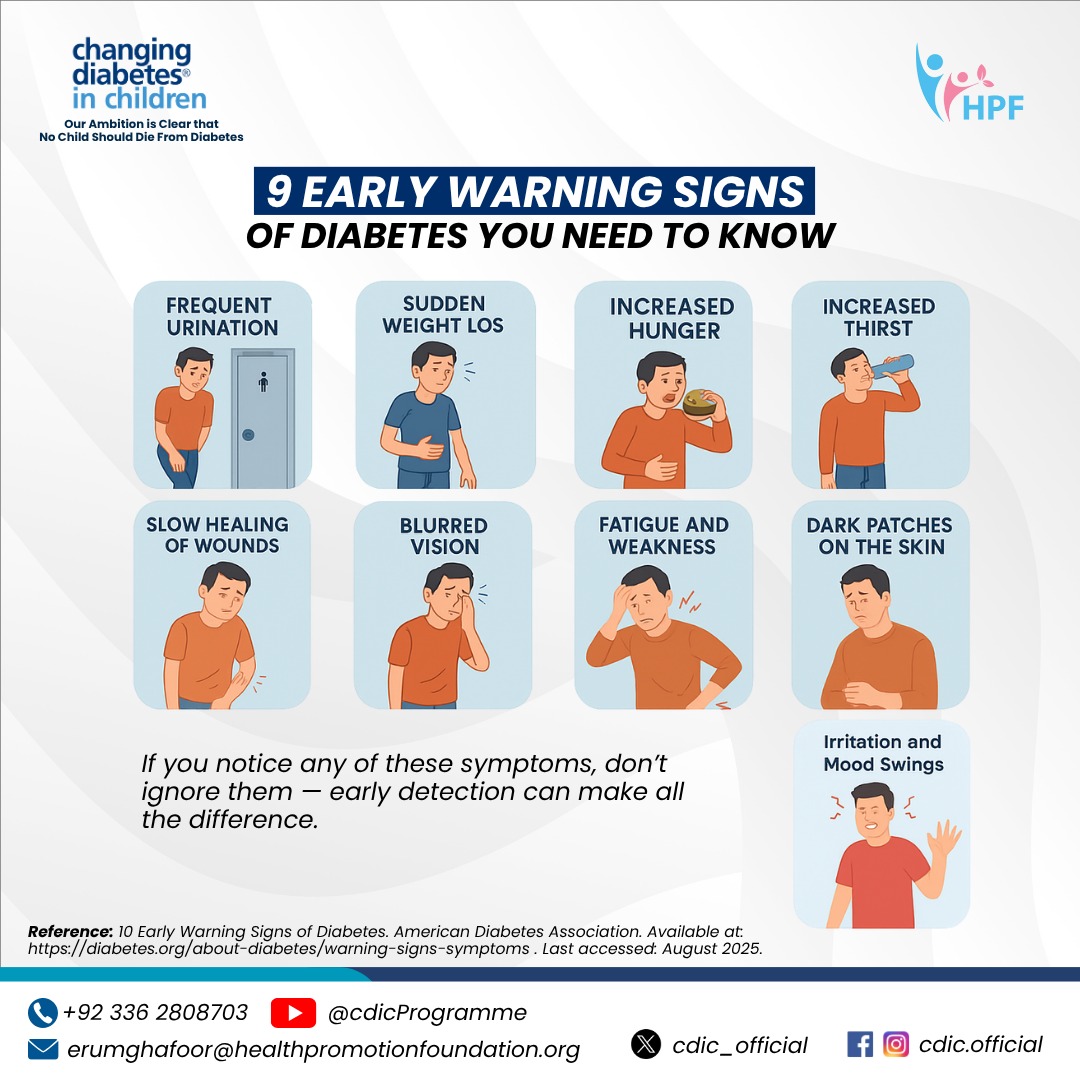
There is a well-known group of symptoms often referred to as the “classic triad” of diabetes. These include excessive thirst, frequent urination, and increased hunger accompanied by unexplained weight loss.

Excessive Thirst (Polydipsia)

One of the earliest signs of diabetes is an unusual and persistent feeling of thirst. Even after drinking plenty of water, individuals may still feel dehydrated. This occurs because the body tries to flush out excess sugar through urine, leading to fluid loss.

Frequent Urination (Polyuria)

As blood sugar levels rise, the kidneys work harder to remove the excess glucose. This results in increased urine production, often exceeding normal levels. Many people find themselves waking up multiple times at night to urinate, which can disrupt sleep and daily routines.

Increased Hunger with Weight Loss (Polyphagia)

Despite eating more than usual, individuals with diabetes may experience unexplained weight loss. This happens because the body cannot effectively use glucose for energy, forcing it to break down fat and muscle instead.

Acanthosis nigricans on the neck as an early sign of diabetes and insulin resistance
Dark skin patches on the neck may indicate insulin resistance and early diabetes

Additional Early Signs of Diabetes

Beyond the classic symptoms, there are several other warning signs that may indicate the onset of diabetes.

Persistent Fatigue

Feeling constantly tired or lacking energy is a common symptom. When the body cannot properly convert glucose into energy, it leads to ongoing fatigue and weakness, even after adequate rest.

Blurred Vision

High blood sugar levels can affect the eyes, causing blurred or distorted vision. In some cases, individuals may feel as if they are looking through a fog. If left untreated, this can lead to serious eye conditions and permanent vision loss.

Tingling or Numbness in Hands and Feet

Nerve damage caused by prolonged high blood sugar can result in tingling, burning sensations, or numbness, particularly in the extremities. This condition, known as diabetic neuropathy, can worsen over time if not addressed.

Slow-Healing Wounds

Cuts and wounds that take longer than usual to heal can be an early warning sign of diabetes. High blood sugar impairs circulation and weakens the immune system, making it harder for the body to repair itself.

Frequent Infections

People with diabetes are more prone to infections, including skin infections, urinary tract infections, and respiratory issues. These infections may occur repeatedly and be difficult to treat.

Darkened Skin Patches (Acanthosis Nigricans)

Dark, velvety patches of skin, often found on the neck, armpits, or groin, may indicate insulin resistance. This condition is commonly associated with type 2 diabetes and can appear even before other symptoms develop.

Who Is at Higher Risk of Diabetes?

While diabetes can affect anyone, certain groups are at a higher risk. Individuals over the age of 45, those who are overweight or obese, and people with a sedentary lifestyle are more likely to develop the condition.

Additionally, individuals with a family history of diabetes, high blood pressure, or abnormal cholesterol levels should be especially cautious. Women who have experienced gestational diabetes or have given birth to large babies are also at increased risk.

Lifestyle factors such as smoking, excessive alcohol consumption, and poor dietary habits further contribute to the likelihood of developing diabetes.

When Should You Get Tested for Diabetes?

If you notice any of the symptoms mentioned above, it is important to consult a healthcare professional as soon as possible. Early testing can help confirm whether your blood sugar levels are within a healthy range.

Common diagnostic tests include fasting blood glucose tests, HbA1c tests, and oral glucose tolerance tests. These tests provide valuable insights into how your body processes sugar and can help detect diabetes at an early stage.

Regular health check-ups are especially important for individuals in high-risk groups, even if no symptoms are present.

How to Prevent Diabetes Effectively

Although diabetes is a serious condition, it is often preventable, especially type 2 diabetes. Adopting a healthy lifestyle is the most effective way to reduce your risk.

A balanced diet that limits sugar and refined carbohydrates while emphasizing whole foods, fruits, vegetables, and lean proteins can help maintain stable blood sugar levels. Regular physical activity improves insulin sensitivity and supports overall health.

Maintaining a healthy weight, managing stress, getting enough sleep, and avoiding harmful habits such as smoking and excessive drinking are also essential steps in preventing diabetes.

The Impact of Diabetes on Long-Term Health

If left unmanaged, diabetes can lead to a wide range of complications. These include cardiovascular diseases, kidney damage, nerve disorders, and vision problems. In severe cases, it can result in limb amputations or life-threatening conditions.

However, with proper management, many of these complications can be prevented. Early detection, combined with consistent medical care and lifestyle adjustments, plays a crucial role in maintaining long-term health.

Conclusion

Diabetes is not a disease that appears overnight. It develops gradually, often sending subtle warning signals that many people overlook. Recognizing these signs early can make a significant difference in preventing complications and improving overall quality of life.

If you experience symptoms such as excessive thirst, frequent urination, unexplained weight loss, or persistent fatigue, do not ignore them. Your body may be trying to alert you to an underlying issue.

Taking action early—through medical consultation, testing, and lifestyle changes—can help you stay in control of your health. Remember, awareness is the first step toward prevention.

Leave a Reply

Your email address will not be published. Required fields are marked *