
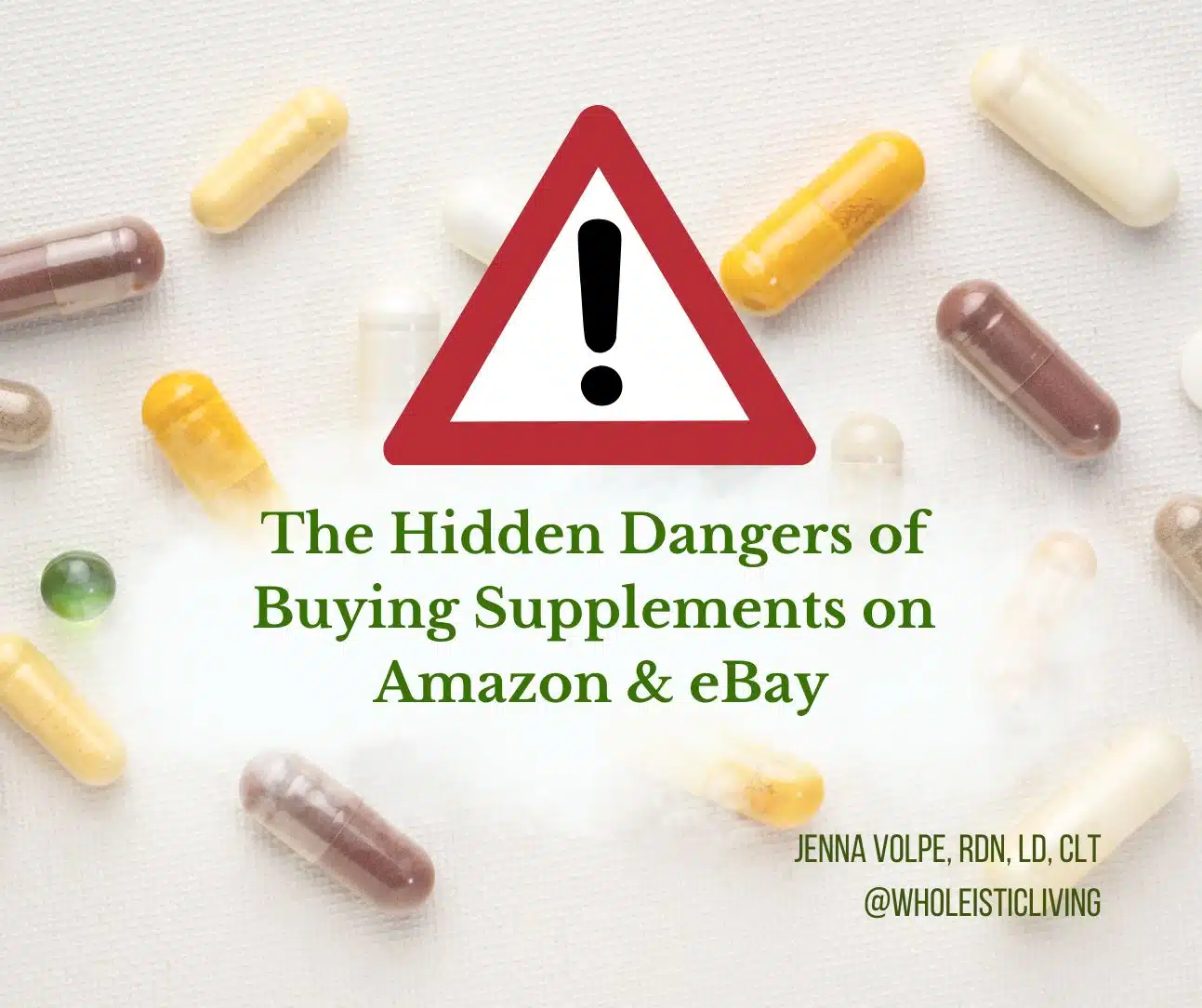
Toxic Supplements Sold on Amazon and eBay: A Silent Health Crisis the FDA Is Urgently Warning About
Toxic supplements Amazon eBay are raising serious concerns after the FDA issued a warning about products containing hidden toxic ingredients. Millions of consumers buying supplements online may be at risk without even knowing it.
When “Natural” Turns Deadly — The Hidden Danger Behind Popular Supplements
In an era where convenience drives consumer behavior, millions of people worldwide rely on online marketplaces like Amazon and eBay to purchase everything from electronics to health products. Among the most popular categories are dietary supplements—advertised as natural solutions for weight loss, energy boosting, and overall wellness. However, a recent warning issued by the FDA has revealed a deeply alarming truth: some of these products may contain toxic substances capable of causing severe illness or even death.
The warning has sent shockwaves through the health community, exposing a dangerous gap between consumer trust and regulatory oversight. Products marketed as “herbal,” “organic,” or “plant-based” are now under scrutiny after laboratory testing uncovered hidden ingredients—some of which are known poisons.
The Toxic Ingredient You Never Expected — Yellow Oleander
At the center of this growing crisis is a plant known as Yellow Oleander, a highly toxic species that has been mistakenly—or deliberately—used in certain supplements. Often mislabeled as “tejocote root,” an ingredient traditionally used in weight loss remedies, Yellow Oleander contains potent cardiac glycosides. These compounds directly affect the heart, disrupting its rhythm and potentially leading to fatal outcomes.
What makes this discovery particularly disturbing is the fact that consumers are unknowingly ingesting a substance that has long been recognized in toxicology as dangerous. Even small doses can trigger symptoms such as nausea, vomiting, dizziness, and irregular heartbeat. In more severe cases, ingestion can result in seizures, cardiac arrest, and death.
Why Are Dangerous Products Still Being Sold Online?
The presence of toxic supplements on major platforms raises an obvious question: how are these products still reaching consumers?
Unlike pharmaceutical drugs, dietary supplements are not subject to pre-market approval by the FDA. This means manufacturers can release products without rigorous testing, as long as they do not make explicit medical claims. While this regulatory framework was designed to encourage innovation and accessibility, it has inadvertently created opportunities for unethical practices.
Online marketplaces further complicate the issue. Platforms like Amazon and eBay host millions of third-party sellers, making it difficult to monitor every listing in real time. Some sellers exploit this system by rebranding products, altering labels, or relisting items after removal.
The result is a digital ecosystem where dangerous products can reappear faster than regulators can eliminate them.

The Illusion of Safety — Marketing Tactics That Mislead Consumers
One of the most troubling aspects of this crisis is the sophisticated marketing strategies used to promote these supplements. Consumers are often drawn in by promises of rapid weight loss, detoxification, or enhanced vitality. Phrases like “100% natural,” “ancient herbal formula,” and “doctor-approved” create a false sense of security.
In reality, these claims are rarely verified. Many products rely heavily on fake reviews, manipulated ratings, and influencer endorsements that blur the line between authenticity and advertising. For individuals seeking quick solutions—especially in areas like weight loss or sexual health—the appeal can be irresistible.
This psychological manipulation is not accidental. It is a calculated effort to exploit consumer vulnerabilities, particularly in a market where regulation is limited and demand is high.
Real Health Consequences — From Mild Symptoms to Fatal Outcomes
The dangers posed by contaminated supplements are not theoretical. Medical professionals have already reported cases of poisoning linked to these products. Symptoms can vary depending on the substance involved, but commonly include gastrointestinal distress, neurological issues, and cardiovascular complications.
In the case of Yellow Oleander, the impact on the heart is especially severe. Cardiac glycosides interfere with the electrical signals that regulate heartbeat, leading to arrhythmias that can quickly become life-threatening. Treatment often requires hospitalization and, in some cases, intensive care.
What makes these incidents particularly tragic is their preventability. Consumers trust that products sold on reputable platforms meet basic safety standards. When that trust is violated, the consequences can be devastating.
he Global Reach of a Growing Problem
Although the warning originated in the United States, the implications are global. Online marketplaces operate across borders, allowing products to be shipped internationally with minimal barriers. This means that consumers in countries like Vietnam, Canada, the United Kingdom, and Australia may also be exposed to the same risks.
The globalization of e-commerce has outpaced the ability of individual governments to regulate product safety effectively. As a result, a dangerous supplement removed in one country may still be available in another.
This interconnectedness underscores the need for international cooperation and stronger regulatory frameworks to protect consumers worldwide.
What the FDA Recommends — Immediate Actions for Consumers
In response to the growing threat, the FDA has issued several urgent recommendations. First and foremost, consumers are advised to stop using any supplement that appears suspicious or has been flagged in safety alerts. Checking official databases and recall lists can help identify potentially dangerous products.
Additionally, individuals should consult healthcare professionals before starting any new supplement, especially those claiming dramatic results. Medical guidance can provide a critical layer of protection against harmful substances.
The FDA also encourages consumers to report adverse effects, helping authorities track and respond to emerging threats more quickly.
How to Protect Yourself in the Age of Online Shopping
While regulatory agencies play a crucial role, consumers must also take proactive steps to safeguard their health. Awareness is the first line of defense. Understanding that not all supplements are safe—even if they are widely available—is essential.
Reading labels carefully, researching brands, and avoiding products with unrealistic claims can significantly reduce risk. Purchasing from verified sellers and established pharmacies, rather than unknown third-party vendors, adds another layer of security.
It is also important to recognize red flags, such as products that promise immediate results, lack clear ingredient lists, or have inconsistent packaging. These warning signs often indicate deeper issues with product quality and authenticity.
The Responsibility of Online Platforms
As the gatekeepers of modern commerce, companies like Amazon and eBay bear significant responsibility in addressing this crisis. While both platforms have policies in place to remove unsafe products, enforcement remains a challenge.
Investing in better monitoring systems, enhancing seller verification , and collaborating more closely with regulatory agencies could help mitigate the risks. Transparency is also key. Providing consumers with clear information about product sourcing and safety can empower more informed decisions.
Ultimately, protecting public health should be a shared priority among regulators, platforms, and sellers alike.
A Wake-Up Call for the Supplement Industry
The recent warning from the FDA serves as a stark reminder that the supplement industry, while beneficial in many ways, is not without its dangers. The presence of toxic substances in products marketed as health aids represents a profound failure of oversight and ethics.
For consumers, this is a moment to reassess habits and expectations. Quick fixes and miracle solutions often come with hidden costs—sometimes far greater than anticipated. For the industry, it is an opportunity to rebuild trust through transparency, accountability, and rigorous quality control.
Conclusion — Trust, But Verify
In a world where convenience often takes precedence over caution, the discovery of toxic supplements on major online platforms is a sobering development. It challenges assumptions about safety and highlights the need for greater vigilance at every level.
The warning issued by the FDA is not just about a handful of products—it is about a systemic issue that affects millions of consumers globally. As online shopping continues to grow, so too must our awareness of its risks.
Health is too important to leave to chance. Whether purchasing supplements or any other product, the principle remains the same: trust, but verify.

Bài viết liên quan

Businesses to Self-Print Electronic Stamps for Alcohol and Tobacco from 2027: A Transformational Policy Shift in Vietnam
USD/VND Exchange Rate Today (May 3): Diverging Trends Between Official and Black Markets